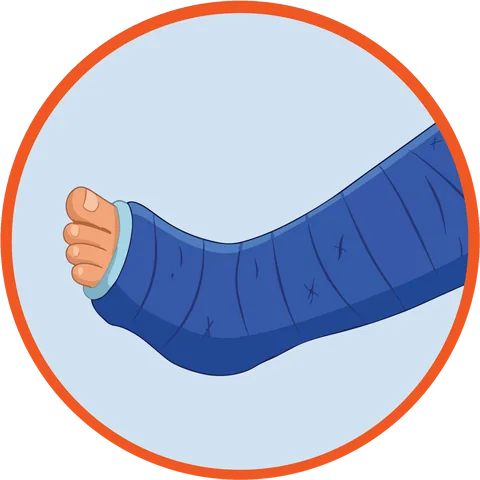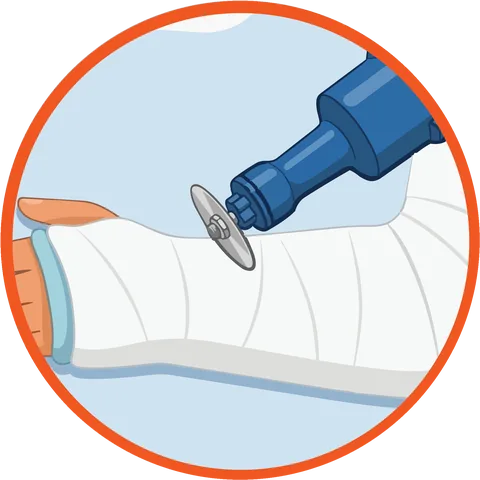
Atlantic Canada's first 100% hands-on casting course

Cast and splint with confidence.

A full day of practice in plaster and fiberglass casting, splinting, fracture reduction, wound assessment and cast saw safety, built for the clinicians who see fractures first. Taught to CSOT and COA guidelines.

  • 5 CEU credits
  • CSOT & COA guidelines
  • NSHA-reimbursable for NPs
  • All materials included

Built for clinicians in ER, urgent care and orthopaedics

  • Nurse practitioners
  • LPNs & RNs
  • Orthopaedic technologists
  • Critical care paramedics
  • Physician assistants
  • ER physicians
  • Medical students
  • Ortho residents & fellows

Courses

Choose your course

Join a scheduled session, or we'll bring any course to your hospital or clinic. Prices are per participant.

CASTAWAY Basic

Plaster or fiberglass

$599 per person

A full hands-on day in plaster of Paris or fiberglass — your choice.

  • Upper and lower limb splints, slabs and casts
  • Fracture reduction and immobilization
  • Wound assessment and offloading
  • Assistive devices and patient education
  • 5 CEU credits

Nurse practitioners: NSHA can reimburse you

CASTAWAY counts toward your educational development. Ask your manager, then submit your certificate of completion and receipt. We email you both automatically.

The day

What a CASTAWAY day looks like

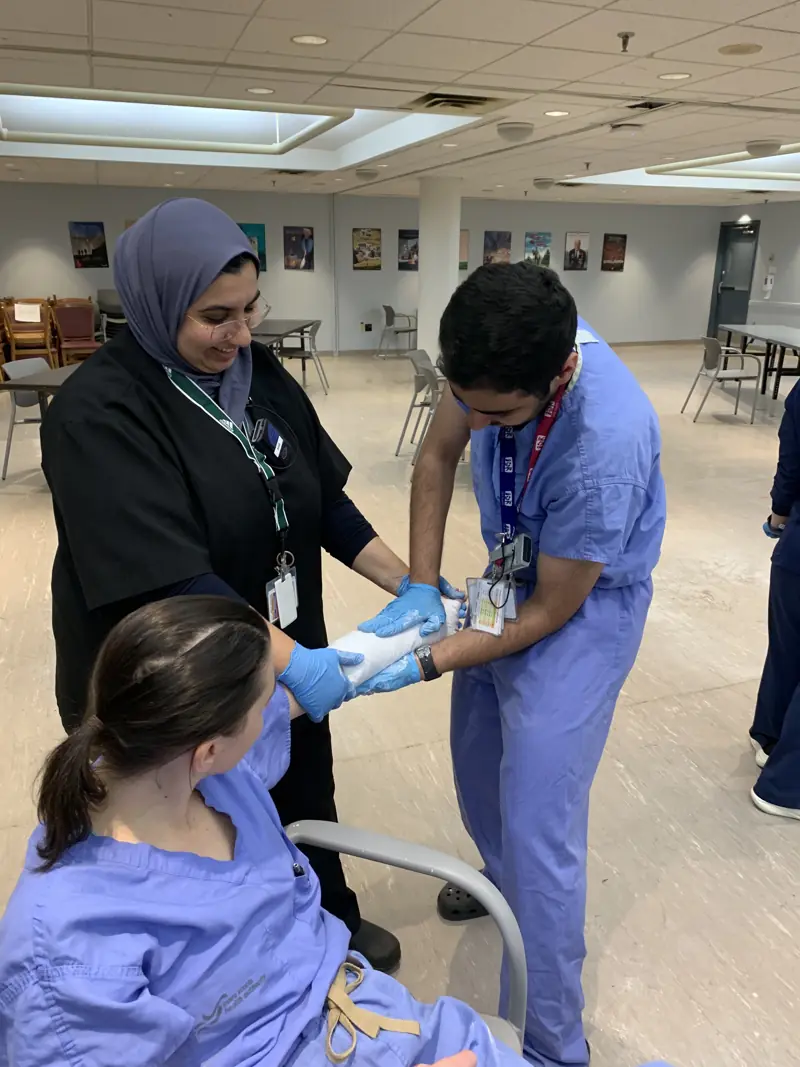
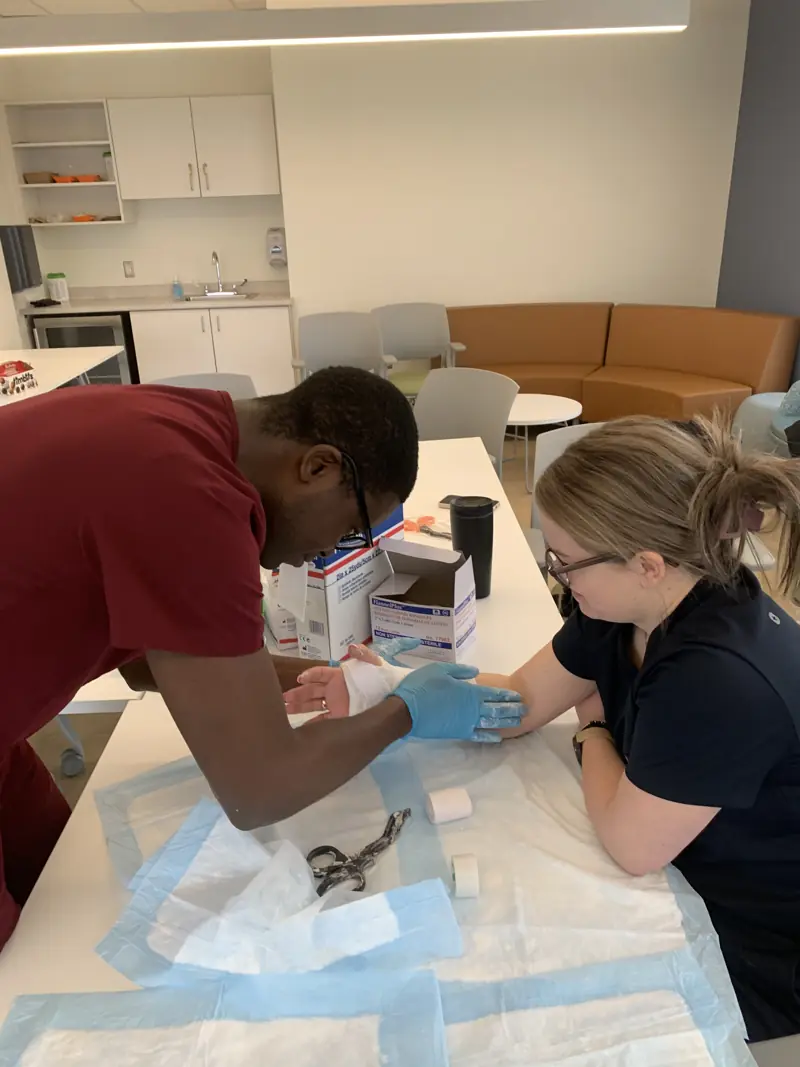
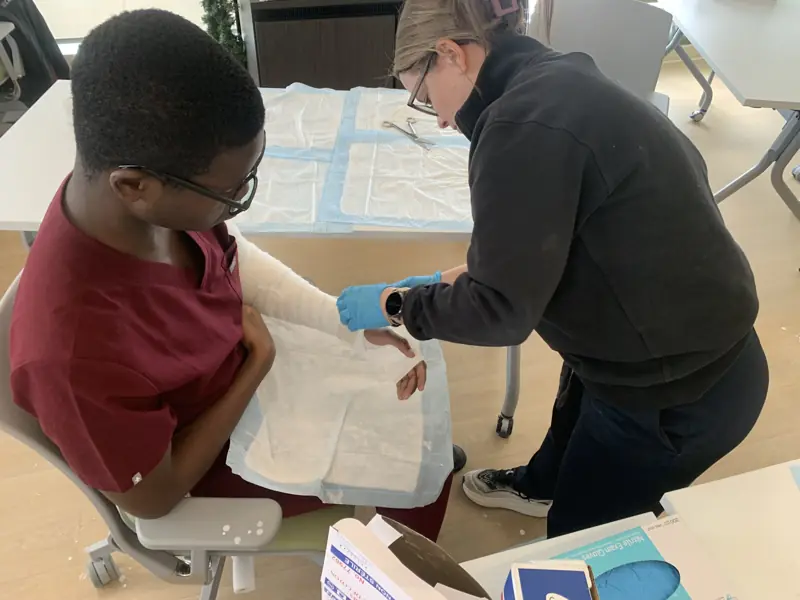
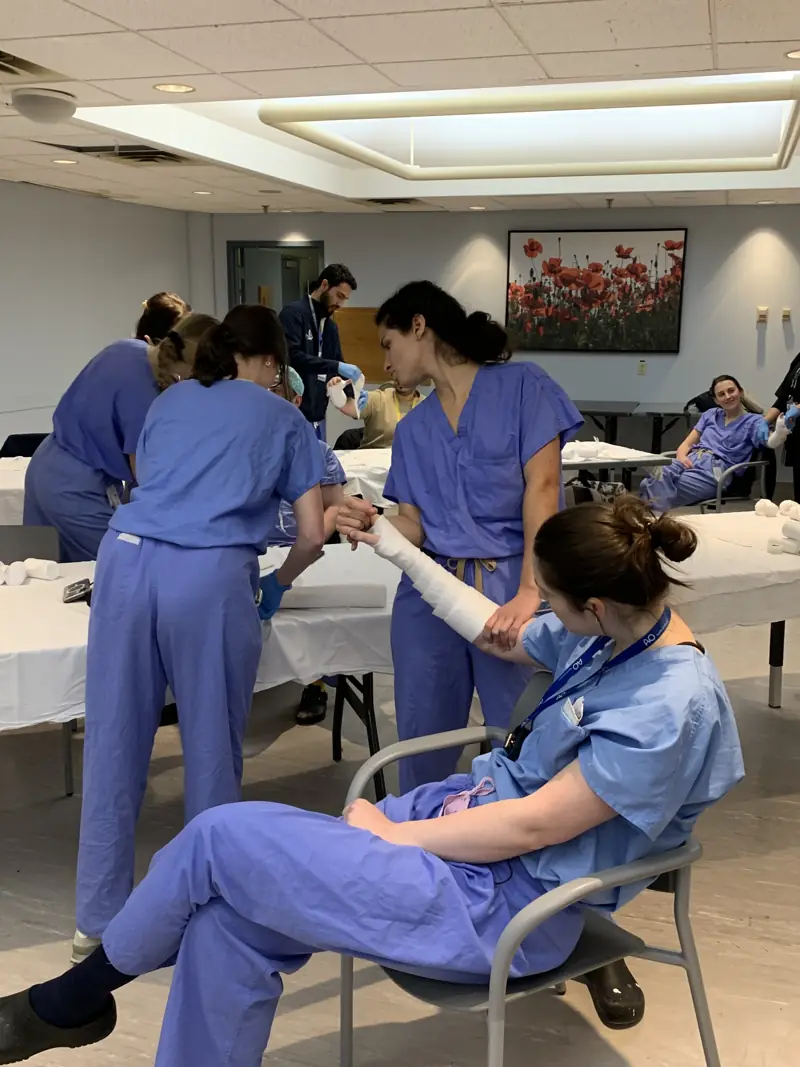
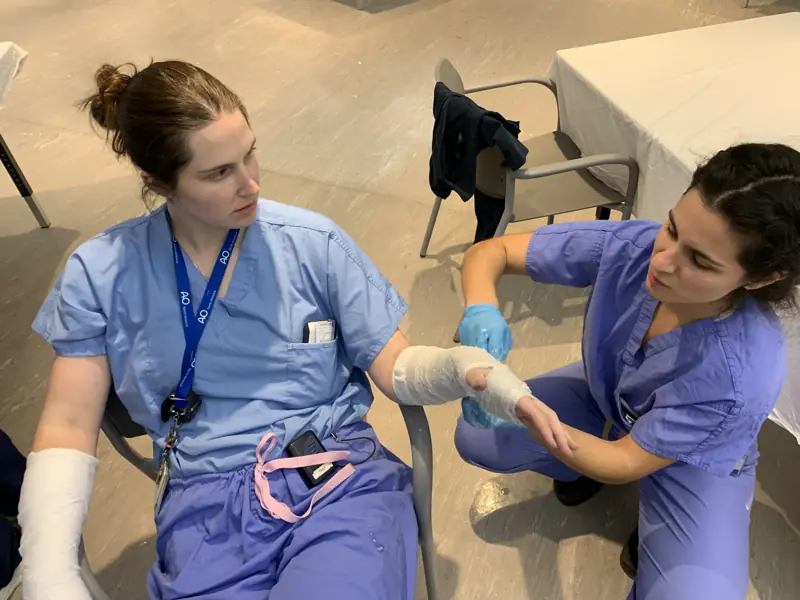
8+ hours, 100% hands-on. You partner up and apply every splint twice: once as the clinician, once as the patient. Sample day: Upper & lower limb splinting with plaster of Paris.

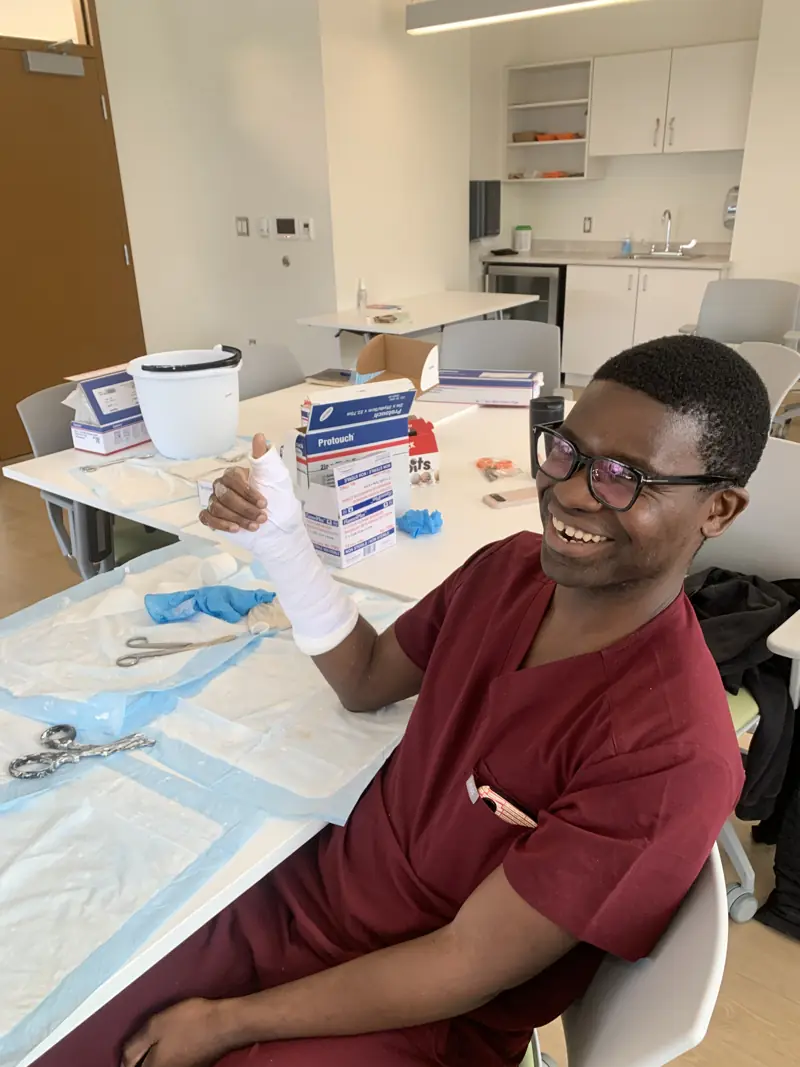
Two participants working together on an arm castA participant applying a cast to a partner's forearm
  1. 8:30

    Sign-in, coffee & muffins

  2. 8:45

    Welcome & agenda

    Introduction to CASTAWAY, disclosures and the plan for the day.

  3. 9:00

    Short arm splint, slab & cast

    Demonstration, then you apply it — once as the clinician, once as the patient. Mastering plaster after displaced and reduced fractures (closed reductions).

  4. 10:00

    Long arm splint & slab

    Tricks to hold 90°. Colles' and Smith's fractures — how to reduce and immobilize each.

  5. 11:00

    Thumb spica splint & slab

    Telling apart UCL injuries, scaphoid and Bennett's fractures.

  6. 12:00

    Lunch (provided)

  7. 12:45

    Ulnar gutter splint & slab

    X-ray interpretation, mechanisms of injury, treatment and follow-up plans.

  8. 1:00

    Wound assessment & sugar tong

    Assessing wounds associated with fractures and managing them with offloading techniques, including total contact casting (TCC). Immobilizing and reducing midshaft humerus fractures.

  9. 2:00

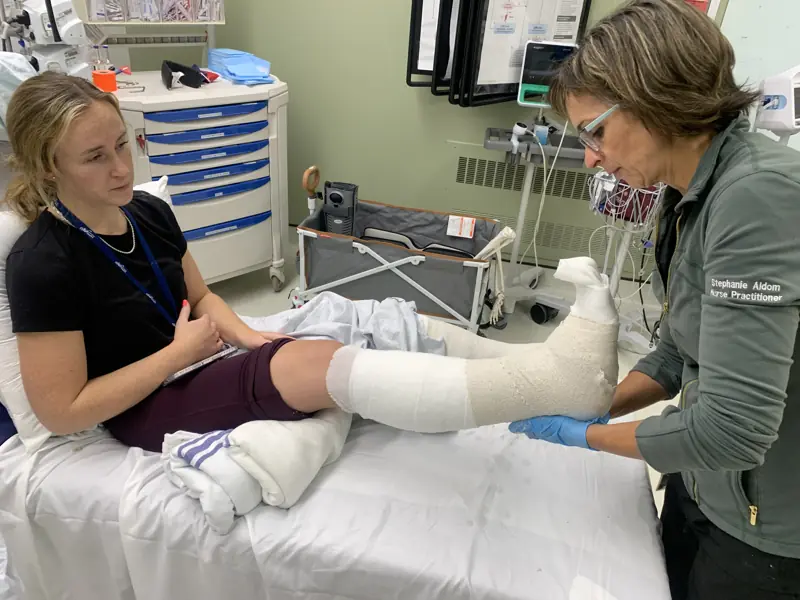
    Below-knee splint & slab

    Demonstration followed by hands-on application.

  10. 3:00

    Above-knee splint & slab

    Including Achilles and patellar tendon bearing (PTB) casts.

  11. 4:00

    Assistive devices

    Crutch instruction, walkers vs. scooters, ROM braces and fracture boots — donning, doffing and post-op education.

  12. 5:00

    Exam, evaluation & one-on-one time

    Feedback, tips and extra practice with AZ. If you want more practice, he'll stay as late as you need.

I highly recommend this course for anyone looking to learn about or improve their casting skills. I appreciated the hands-on nature of the course and the fact that it was tailored to our learning needs. Azher is an excellent teacher and very experienced.

Dr. Henry AnnanIWK Emergency / Paediatrics, NSHA

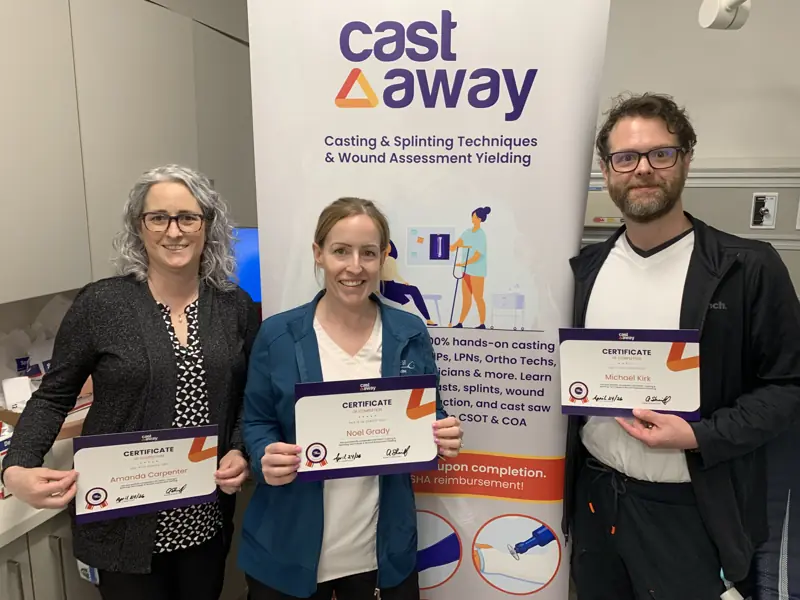
Recent courses

Your instructor

Meet Azher

Azher casts and splints patients in hospital orthopaedics, and built CASTAWAY to pass those skills on to the clinicians who see fractures first — in the ER, urgent care and on the road.

Every technique is taught to Canadian Society of Orthopaedic Technologists (CSOT) and Canadian Orthopaedic Association (COA) guidelines. His goal is simple: good casts that keep reductions in place, so fewer patients need surgery.

castawaycourse@gmail.com 416-858-5689

FAQ

Questions, answered

Do I need casting experience?

No. Every technique is demonstrated first, then you apply it yourself with coaching. Experienced clinicians use the day to sharpen technique and learn tips that hold reductions better.

What's included?

All casting and splinting materials, a course manual and lunch. Most sessions include a CASTAWAY T-shirt too — check the session details.

What should I wear?

You'll be casted as well as casting, so wear comfortable clothes with sleeves and pant legs that roll up easily. Plaster can get messy — skip anything you'd hate to get dusty.

How do I pay?

By Interac e-Transfer. After you register you'll see the amount and a reference code to put in the e-Transfer message — that's how we match your payment. You'll get a receipt by email as soon as it's received. Paying for a group or through your department? Contact us for an invoice.

Can my employer reimburse me?

Nurse practitioners with NSHA (Nova Scotia Health) can be reimbursed as part of educational development. Ask your manager, then submit your certificate of completion and receipt — both are emailed to you automatically.

Do I get CEU credits?

5 CEU credits are awarded after successful completion of the course, including the end-of-day evaluation. Your certificate of completion is emailed to you.

Is there an early-bird deadline?

Register at least 2 weeks before your course date to avoid the late registration fee.

Can you run a course at our hospital?

Yes — that's how most CASTAWAY courses happen. Tell us about your team and we'll set one up at your facility.

Request a course

What if I can't make it?

You can send a colleague in your place at any time. Refunds depend on how far ahead you cancel.

Cancellation policy

Let's get ready to CASTAWAY.